The Best Engineered Wood Floors for Homes Toolkit: Resources, Tips, and Tactics for 2026
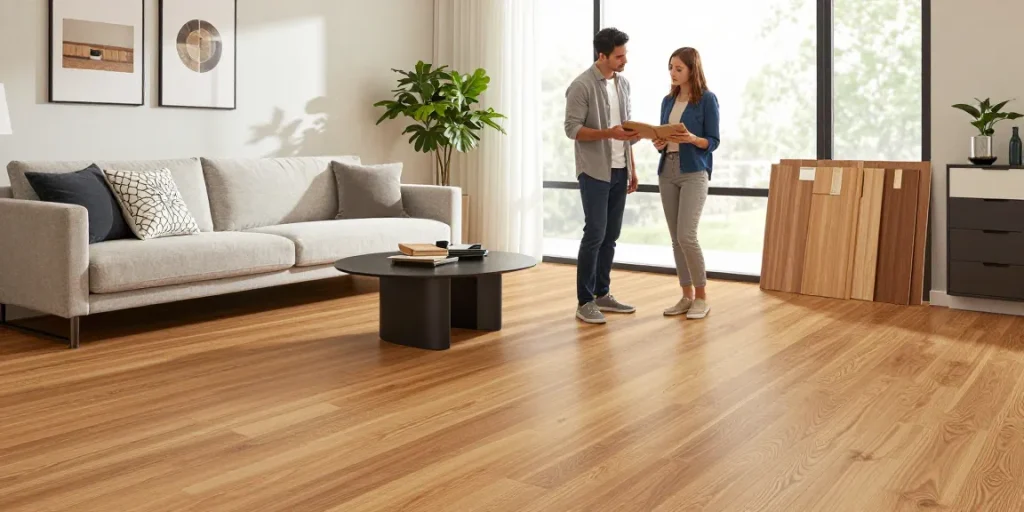
Understanding Engineered Wood Floors
Choosing the right flooring can be a daunting task, especially when deciding between laminate and engineered wood options. In the UK, homeowners have a multitude of preferences shaped by budgets, lifestyles, and aesthetic choices. Among these options, engineered wood flooring stands out as a premium choice, blending beauty and functionality. Understanding engineered wood floors begins with recognizing their structure and advantages.
What Are Engineered Wood Floors?
Engineered wood floors consist of multiple layers, with a top layer made of real hardwood, bonded to layers of plywood or high-density fiberboard. This construction allows engineered wood to maintain the authentic look of solid wood while providing stability and durability. Unlike traditional hardwood, which can warp or buckle under moisture, engineered wood can withstand changes in humidity, making it suitable for various rooms in the home. For anyone exploring options, best engineered wood floors for homes can provide comprehensive insights into the most suitable choices available.
Benefits of Engineered Wood Flooring
- Authenticity: The top layer of real wood offers the same aesthetic appeal as solid hardwood.
- Stability: The layered construction minimizes the risk of warping, making it ideal for fluctuating climates.
- Versatility: Available in various finishes and styles, engineered wood can fit seamlessly into any design scheme.
- Ease of Installation: Many engineered wood products feature click-lock designs, allowing for DIY installation.
Common Misconceptions About Engineered Wood
Despite its advantages, engineered wood often falls prey to misconceptions. Some believe it is inferior to solid hardwood, but this is not the case. The quality of engineered wood can rival that of traditional options when sourced from reputable manufacturers. Additionally, there’s a myth that it cannot be refinished; while it can be refinished, the number of times varies based on the thickness of the wood layer.
Comparing Engineered Wood to Other Flooring Options
Understanding how engineered wood stacks up against other flooring materials helps homeowners make informed decisions. This comparison includes traditional hardwood and laminate, both of which have their own unique benefits and challenges.
Engineered Wood vs. Traditional Hardwood
While traditional hardwood floors boast timeless beauty, they come with limitations, particularly related to moisture exposure. Engineered wood, on the other hand, offers the same beauty with enhanced durability. It’s important to consider factors such as maintenance and cost. Traditional hardwood requires more upkeep and is generally more expensive, whereas engineered wood provides an economical alternative without compromising style.
Engineered Wood vs. Laminate Flooring
Laminate flooring is often viewed as a cost-effective alternative to engineered wood, but the two differ significantly. Laminate is typically made from composite materials with a photographic layer designed to mimic wood. While laminate is highly durable and resistant to scratches, it lacks the authentic texture and warmth of real wood. Engineered wood stands out by offering genuine wood aesthetics coupled with greater structural integrity.
Performance and Durability Comparison
When it comes to performance and durability, engineered wood excels in environments with high moisture levels, such as kitchens and bathrooms. Engineered wood can withstand humidity changes better than solid hardwood and is less prone to warping compared to laminate. Therefore, for a long-term investment in durability, engineered wood is the clear winner.
Choosing the Right Engineered Wood for Your Home
Finding the right engineered wood floor involves several considerations that can significantly influence your satisfaction and investment. Factors such as style, installation method, and maintenance need to be carefully assessed before making a decision.
Factors to Consider When Selecting Flooring
- Room Type: Consider where the flooring will be installed—different areas may require specific moisture and durability levels.
- Aesthetic Preference: Engineered wood offers a variety of wood species, colors, and finishes that can complement any décor.
- Foot Traffic: High-traffic areas may benefit from sturdier finishes or thicker wear layers to withstand daily use.
Styles and Finishes: What’s Trending in 2026?
As we move into 2026, engineered wood trends reflect a mix of modern and traditional styles. Wide planks are gaining popularity, offering a more open and spacious feel, while matte finishes remain in vogue for a more subdued, natural appearance. Additionally, reclaimed wood looks are also trending, appealing to those who favor an eco-friendly aesthetic without sacrificing quality.
Budget Considerations: How to Save on Quality
When it comes to flooring, it’s crucial to balance quality with your budget. Seek out sales, and consider purchasing during seasonal promotions for engineered wood flooring. Additionally, exploring wholesale options or local suppliers can result in substantial savings without compromising quality. Remember, investing in higher-quality materials will often save money in the long run through durability and easier maintenance.
Installation and Maintenance Tips
Proper installation and maintenance of engineered wood floors are vital for maximizing their lifespan and appearance. Homeowners must consider whether to hire professionals or tackle the project as a DIY endeavor.
Professional vs. DIY Installation: Pros and Cons
Professional installation offers peace of mind, ensuring that the floors are laid correctly to prevent issues down the line. However, it often comes at a premium cost. DIY installation cuts costs, but it requires specific skills and tools to guarantee that the flooring is fitted properly. Weighing these pros and cons will guide you to the right decision based on your confidence and budget.
Best Practices for Maintaining Engineered Wood Floors
- Regular Cleaning: Use a soft broom or vacuum to remove dust and debris regularly.
- Avoid Excess Moisture: Clean spills immediately, and use a damp mop rather than a soaking wet one to avoid water damage.
- Use Rugs and Mats: Strategically place rugs in high-traffic areas to reduce wear.
Protecting Your Investment: Warranty and Care
Most engineered wood floors come with a warranty, which can vary significantly between brands. It’s important to understand the terms and duration of coverage to protect your investment. Following the manufacturer’s care instructions will help maintain the flooring’s quality and prolong its lifespan.
Future Trends in Engineered Wood Flooring
As technology and consumer preferences evolve, the engineered wood flooring industry is adapting to meet new demands. Emerging technologies and sustainable practices are at the forefront of these changes.
Emerging Technologies in Flooring Manufacturing
Advancements in manufacturing processes are resulting in engineered wood products that are stronger, more water-resistant, and easier to install. For instance, some manufacturers are exploring advanced adhesives and technologies that enhance the bonding of layers, making engineered wood even more durable.
Sustainable Practices in Engineered Wood Production
Consumers are increasingly concerned about sustainability, leading to a rise in eco-friendly manufacturing processes. Companies are prioritizing responsibly sourced timber and implementing waste-reduction strategies in their production lines, resulting in products that are not only beautiful but also environmentally friendly.
Predictions for Engineered Wood Designs in 2026
The future of engineered wood designs points towards increased customization, with more manufacturers offering bespoke options tailored to meet specific consumer demands. Expect to see a rise in eco-conscious aesthetics that combine traditional craftsmanship with modern design elements.
What Are the Most Popular Engineered Wood Brands?
Several brands have established themselves as industry leaders in engineered wood flooring, known for quality and innovation. Brands such as Quick-Step and Pergo are recommended for their extensive ranges and customer satisfaction. Selecting a reliable brand can significantly impact your flooring outcome, so thorough research is essential.
How Do Engineered Wood Floors Affect Home Value?
Investing in high-quality engineered wood flooring can significantly enhance the overall appeal and value of your home. Potential buyers often view wood floors as a premium feature, which can increase the resale value of the property. It’s a wise investment not just for aesthetic reasons, but also from a financial perspective.