Broken Car Air Conditioning Compressor Head to Head: Expert Repair Tips for Local Drivers in 2026
Understanding the Role of the Car Air Conditioning Compressor
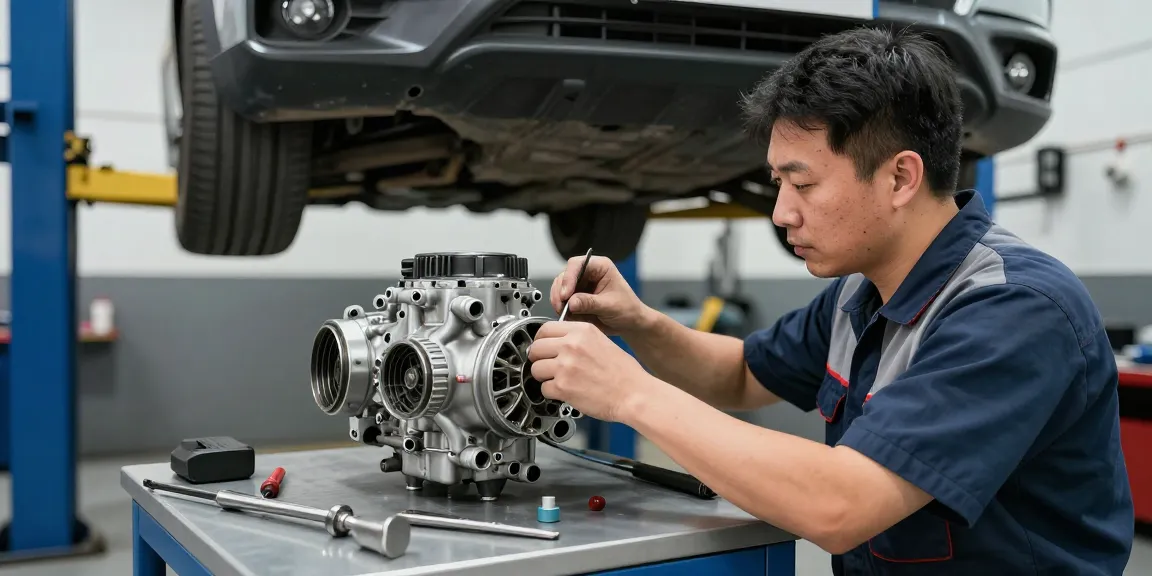
The car air conditioning compressor is crucial for maintaining a comfortable environment in your vehicle, especially during the scorching summer months. As the “heart” of your car’s cooling system, it compresses refrigerant gas and circulates it, enabling the system to cool the air. However, like any vehicle component, the compressor is susceptible to wear and tear, which can lead to significant breakdowns. Recognizing the early warning signs of a broken car air conditioning compressor can save you from inconvenient breakdowns and costly repairs.
What a Compressor Does and Common Issues
The compressor plays a pivotal role in the refrigeration cycle. It draws low-pressure refrigerant gas from the evaporator and compresses it into high-pressure gas, which then flows to the condenser, where it releases heat. Common issues may arise from low refrigerant levels, a blocked condenser, or internal compressor faults. Each of these problems affects the efficiency of the cooling system, making it essential for car owners to understand their implications.
How the Compressor Affects Vehicle Cooling
When functioning correctly, the compressor dramatically lowers the ambient temperature inside the vehicle. However, if it begins to fail, you may notice inadequate cooling, which can diminish driving comfort. Regular maintenance, including periodic checks of the compressor’s performance, can help ensure that your car’s air conditioning system operates as intended.
Importance of Regular Maintenance
Keeping your car’s air conditioning compressor in top shape requires regular maintenance. This includes checking the refrigerant level, replacing cabin filters, and cleaning the system. Neglecting maintenance can lead to compressor failures that could have been prevented with simple checks and services.
7 Symptoms of a Broken Car Air Conditioning Compressor
Understanding the signs of a failing compressor is vital. Early detection can save you time, money, and discomfort. Below are the seven most common symptoms that indicate your car’s air conditioning compressor may be in trouble.
1. The Air Doesn’t Really Cool Anymore
If you experience a noticeable decrease in the cooling efficiency of your car’s air conditioning system, this could mean the compressor is failing. You might find that the air it produces is warm, indicating that the refrigerant isn’t being compressed efficiently.
2. Metallic Noises from the Engine
Unusual sounds, particularly metallic noises when the A/C is turned on, can indicate internal damage to the compressor. This is a sign that should never be ignored, as continuing to run the A/C can cause further damage.
3. The Air Conditioner Turns Off by Itself
Does your air conditioning system frequently shut down on its own? This behavior is often a symptom of compressor malfunction, which fails to maintain the necessary pressure in the system.
4. Strange Smell from the Air Conditioning
If you notice a foul smell when the A/C is running, it can be due to moisture accumulation from a malfunctioning compressor, leading to mold growth inside the system. This warrants immediate attention to prevent health issues.
5. Higher than Normal Fuel Consumption
Your vehicle might consume more fuel than usual if the A/C system is not cooling effectively. This increase occurs because the engine has to work harder to compensate for the failing compressor.
6. Vibrations When You Turn on the Air Conditioning
Feeling vibrations through the A/C controls can signify that there is an issue with the compressor or its associated components, like the pulley or belt. Over time, these issues can lead to complete failures if not addressed.
7. The Climate Only Cools as You Accelerate
If you notice that your car’s A/C only cools while accelerating, this is indicative of a failing compressor unable to maintain consistent pressure when idling. This fluctuation can gradually worsen, necessitating an inspection.
Immediate Steps to Take If You Suspect a Faulty Compressor
Inspecting for Common Signs of Damage
Upon noticing any of the above symptoms, you should conduct a quick inspection. Check the refrigerant level and look for any visible signs of leakage around the compressor. If you’re not comfortable doing this, take your car to a trusted mechanic.
When to Seek Professional Help
If your inspection reveals potential issues, or if your compressor is making unusual noises, it’s advisable to consult a certified mechanic. They can perform a thorough diagnosis and recommend necessary repairs or replacements.
Tools You Can Use at Home to Diagnose
For those who are handy with tools, consider using a manifold gauge set to check system pressures. This can provide insights into whether your compressor is functioning correctly or if there is a lack of refrigerant.
Choosing the Right Local Service Provider
Qualified Mechanics vs. DIY Solutions
While DIY repairs can save money, they often lead to mistakes without the right knowledge. Hiring a qualified mechanic ensures that repairs are made correctly and efficiently, especially for something as vital as your car’s A/C system.
Checking Local Reviews and Ratings
Before selecting a service provider, research local reviews and ratings. Look for shops that are licensed, bonded, and insured, as these credentials provide an additional layer of assurance in their quality of service.
Understanding Pricing: What to Expect in 2026
When budgeting for air conditioning repairs, know that compressor replacement ranges from €150 to €500, depending on the make and model of your vehicle. Additionally, be prepared for added costs if refrigerant needs to be recharged or if the system requires extensive repairs.
Maintenance Tips for Keeping Your A/C System Functional
Regular Checks and Filters Replacement
Frequent inspections can significantly boost the longevity of your compressor. Regularly checking the refrigerant level and replacing the cabin air filter are simple tasks that can improve performance and effectiveness.
How to Clean the A/C System
Consider professional cleaning of the A/C system at least once a year, especially before the hot months. This can remove debris and ensure that every component, including the compressor, is working correctly.
Seasonal Preparation for Your Vehicle’s A/C
Before summer hits, perform a seasonal check to ensure your A/C system is primed for the heat. This will help prevent any sudden failures once you’re relying on the system during hot driving conditions.
FAQs
Can I drive with a broken air conditioning compressor?
Yes, but it’s not advisable as it can strain other parts of your engine and lead to more extensive damage over time.
How long should a car air conditioning compressor last?
Generally, a quality compressor will last between 8 and 15 years, but proper maintenance is essential for achieving longevity.
What does it cost to repair a broken compressor?
The cost to repair varies widely but typically ranges between €150 and €500 depending on the extent of the damage and the make and model of the vehicle.