Revolutionary Foldable Phones 2026: What to Expect and How They Will Transform Your Experience
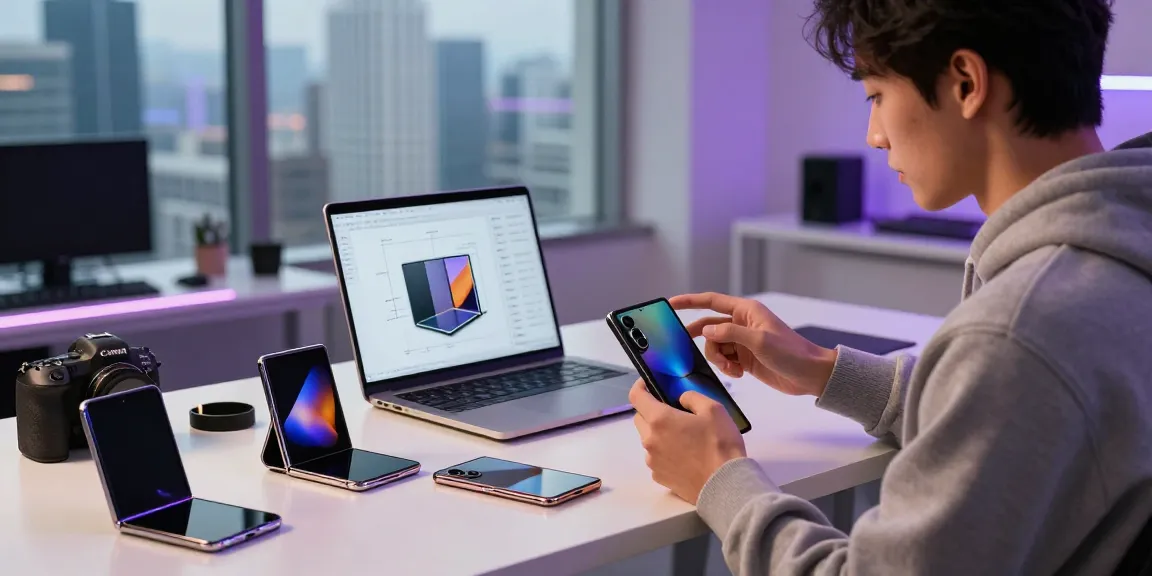
The Evolution of Foldable Phones: A 2026 Overview
The smartphone landscape has dramatically evolved over the past decade, with foldable phones emerging as a revolutionary category that continues to gain traction. As we step into 2026, these devices are not just novelties but serious contenders in the smartphone market, appealing to a growing segment of consumers looking for innovative designs and enhanced functionality. This article will delve into the history and milestones of foldable technology, spotlight key manufacturers shaping the market, and explore the consumer trends driving the demand for foldable devices.
When exploring options, foldable phones 2026 offers insights into what the future holds for these exciting gadgets. We will take a closer look at the transformative journey of foldable phones, analyzing advancements that have turned them into everyday essentials for many users.
History and Milestones in Foldable Technology
The inception of foldable smartphones can be traced back to early prototypes that attempted to blend the line between tablet and phone. The first commercially available foldable phone, the Samsung Galaxy Fold, launched in 2019, aimed to redefine versatility—offering users the capability to multitask and enjoy larger screens in a compact form. This marked a significant milestone, paving the way for future innovations in design and functionality.
As manufacturers learned from early user feedback, several improvements were made in subsequent models, including enhancements in durability, hinge mechanisms, and display technologies. The introduction of ultra-thin glass and flexible OLED technology has drastically improved the usability and longevity of these devices, addressing concerns about fragility that plagued initial models.
Key Manufacturers Paving the Way for 2026
In 2026, major players in the foldable smartphone market include familiar names such as Samsung and Motorola, alongside newer entrants like Oppo and Huawei. Samsung continues to dominate the sector with its Galaxy Z series, showcasing innovations that prioritize user experience, such as improved hinge designs and multitasking capabilities. Motorola’s Razr has also gained popularity, leveraging nostalgia while incorporating modern features.
On the horizon, Oppo and Huawei are set to launch their foldable devices, introducing competitive features that may disrupt the current market dynamics. Each brand brings unique strengths to the table, enhancing the foldable phone experience and catering to diverse consumer preferences.
Top Foldable Phones to Watch in 2026
The foldable phone segment is rapidly expanding, with new models poised to launch throughout the year. Here’s a closer look at some highly anticipated devices that are likely to shape the market in 2026.
Innovative Features of Samsung Galaxy Z Fold 7
The Samsung Galaxy Z Fold 7 is expected to build on the success of its predecessors with features that enhance productivity and entertainment. Users can anticipate a larger, more vibrant display that supports advanced multitasking capabilities. Additionally, improvements in battery life and processing power will likely make this the go-to device for power users.
Samsung’s dedication to software optimization, particularly with the One UI interface, will also enhance user experience by taking full advantage of the foldable design.
Motorola’s Razr: A Competitive Edge in the Market
Motorola’s Razr has continued to capture consumer interest due to its unique flip design, which combines a retro aesthetic with modern technology. In 2026, the new Razr model is expected to deliver upgraded camera systems and battery performance, aiming to attract a younger demographic while appealing to those who appreciate vintage flair. This blend of style and substance is critical for Motorola as it seeks to carve out a niche in the competitive foldable market.
Upcoming Models: What to Expect from Oppo and Huawei
As the foldable phone timeline advances, both Oppo and Huawei are gearing up to release their latest models in 2026. Oppo’s Find N series has already garnered attention for its compact design, and the anticipated Find N6 is rumored to push boundaries further with a no-visible-crease display. Huawei’s Mate X series will aim to compete on features and price, providing alternatives to consumers intrigued by foldable technologies.
These upcoming models signify a vibrant shift in the foldable market, challenging the established names while expanding consumer options.
Choosing the Right Foldable Phone: Key Considerations
For consumers considering a foldable phone in 2026, several factors are paramount to ensuring their investment aligns with their needs. Navigating features such as display quality, performance, and durability will help buyers make informed decisions.
Display Quality and Functionality in 2026 Models
The display remains a central feature of any foldable device. Users should prioritize high-quality screens that offer vibrant colors and smooth refresh rates. The move towards AMOLED and OLED technology in 2026 models promises to enhance the viewing experience, providing better contrast and brightness levels. Consumers should also consider how the foldable design impacts app functionality, particularly in multitasking scenarios.
Battery Life and Performance Expectations
As foldables adopt more demanding hardware, battery life becomes crucial. In 2026, prospective buyers should look for devices that not only feature efficient battery management but also fast charging capabilities. Manufacturers are increasingly prioritizing performance, ensuring that foldable devices meet the demands of everyday use.
Durability: Are Foldable Phones Reliable?
Durability remains a concern for many potential foldable phone adopters. As technology advances, manufacturers are making strides in producing more resilient devices. Buyers should seek information on the materials used, particularly in hinge design and screen protection, which can significantly impact longevity and user satisfaction.
Comparative Analysis: Foldable vs. Traditional Smartphones
With the rise of foldable phones, it’s essential to compare their advantages and limitations against traditional smartphones. Understanding these differences can guide users in making the right choice for their needs.
Advantages of Foldable Phones in Daily Use
Foldable phones offer unique advantages, such as versatile display sizes that adapt to user needs. Users can enjoy larger screens for media consumption or multi-window functionality without the bulk associated with traditional devices. Additionally, the innovative design often attracts attention, making these devices a stylish choice.
Challenges and Limitations of Foldable Technology
Despite their appeal, foldable phones come with challenges. The initial cost can be a barrier, and concerns about long-term durability persist. Moreover, app optimization for foldable displays is still in progress, with some applications not fully utilizing the available screen space.
Consumer Sentiment: Are Foldables Worth It?
As foldable phones continue to gain ground, consumer sentiment is mixed. Many users appreciate the novelty and functionality, while others are hesitant due to uncertainties surrounding durability and app compatibility. An increasing body of positive reviews and user experiences may bolster confidence in these devices moving forward.
Future Predictions and Trends for Foldable Phones
The landscape for foldable phones in 2026 and beyond is filled with potential innovations and growth prospects. Staying ahead in this competitive market requires keen insight into emerging trends and consumer expectations.
Emerging Technologies Influencing Foldable Designs
Smartphone manufacturers are increasingly integrating emerging technologies such as artificial intelligence and augmented reality into their foldable designs. These advancements promise to enhance user interaction and broaden the scope of functionality, making foldable devices more integral to everyday life.
Market Growth Projections for 2026 and Beyond
Industry forecasts suggest significant growth for the foldable smartphone market, with projections indicating a possible 30% increase in demand year-over-year. This anticipated expansion signals that consumers are becoming more accustomed to the concept of foldable devices and are eager to explore their potential.
Expert Opinions: The Future of Mobile Technology
Experts predict that as foldable technology matures, we may witness a convergence with other trends in mobile tech. This could lead to the emergence of hybrid devices that further blur the lines between smartphones, tablets, and laptops, creating multifunctional tools that cater to diverse user needs.
What Will Be the Mainstream Appeal of Foldables?
As foldable phones continue to evolve, their appeal will hinge on enhancing user experience while maintaining competitive pricing. Features like improved battery life, robust design, and efficient multitasking options will be central to drawing mainstream consumers.
Are Foldable Phones the Future of Smartphone Design?
The question of whether foldable phones are the future of smartphone design remains open. While they are not without their challenges, the unique advantages they offer could well position them as a staple in the mobile device market as technology continues to advance.