Understanding Plumbing Essentials
Plumbing is a fundamental aspect of modern living, impacting everything from water access to sanitation. Understanding plumbing essentials can empower homeowners to take better care of their systems and make informed decisions when issues arise. With many services available, finding a reputable provider, like Blue Moon Plumbing and Rooter, can ensure that your plumbing needs are efficiently addressed. In this guide, we will explore the key elements of quality plumbing services, common misconceptions about plumbing, and essential tools required in the trade.
What Makes a Quality Plumbing Service?
A quality plumbing service is characterized by several critical factors. First, a good plumbing service possesses experienced and licensed professionals. This ensures that all work is compliant with local regulations and building codes. Additionally, quality service providers offer transparent pricing, comprehensive warranties, and emergency services, which are crucial for urgent repairs. Finally, excellent customer service is paramount; the best plumbing companies prioritize clear communication and timely responses to inquiries.
Common Plumbing Misconceptions
There are several misconceptions surrounding plumbing that can lead to poor maintenance practices. One common myth is that DIY fixes are always more cost-effective than hiring a professional. While DIY projects can save money, incorrect repairs can lead to more significant problems down the line. Another misconception is that a small leak is not a serious issue; however, even minor leaks can lead to substantial water damage and increased utility bills.
Essential Tools and Equipment for Plumbers
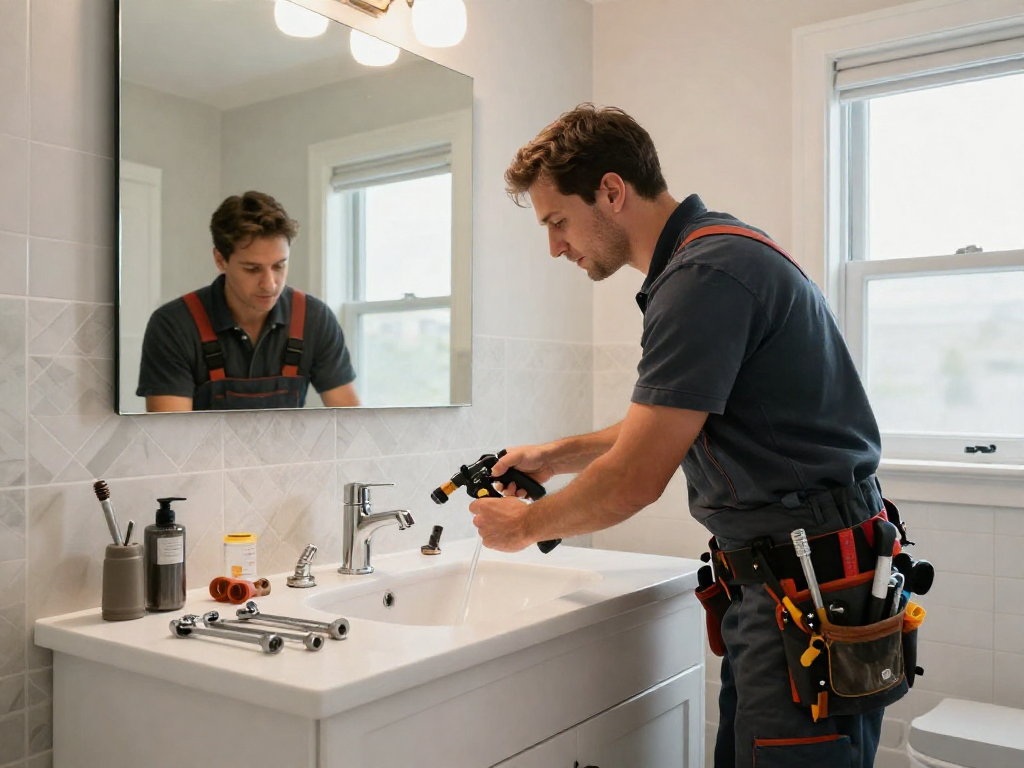
Plumbers rely on a variety of tools and equipment to perform their jobs effectively. Basic tools include pipe wrenches, plungers, and augers. More advanced equipment like video inspection tools helps identify issues in pipes without invasive methods. Having the right tools not only improves efficiency but also ensures that repairs are done correctly and safely.
Identifying Major Plumbing Problems
Identifying plumbing problems early can save homeowners from costly repairs and extensive damages. Awareness of common signs is essential for effective plumbing maintenance. Regular inspections and vigilance can help you catch issues before they escalate.
Signs of a Leaky Pipe
Leaky pipes often manifest through several telltale signs. Water stains on ceilings or walls, a sudden increase in your water bill, and the sound of dripping water when no taps are on are all indicative of potential leaks. In some cases, mold or mildew growth near plumbing fixtures can also signal a leak. Timely detection and repair of leaks can prevent extensive water damage and costly repairs.
How to Spot Water Damage Early
Water damage can be insidious, often appearing long after the initial leak has occurred. Homeowners should regularly check areas such as basements, attics, and around appliances for any signs of moisture accumulation. Common indicators include warped walls, peeling paint, and increased humidity levels. If you notice any of these signs, it’s essential to contact a plumbing professional immediately.
Common Plumbing Emergencies You Shouldn't Ignore
There are several plumbing emergencies that require immediate attention. A burst pipe can quickly lead to significant flooding, while a malfunctioning water heater can disrupt daily activities. Sewage backups are also critical situations that can pose health risks. Recognizing these emergencies and knowing when to call for help can mitigate damage and restore functionality to your home.
Best Practices for Plumbing Maintenance
Regular maintenance is vital for ensuring that your plumbing system remains functional and efficient over time. By adopting a proactive approach, you can prevent many common plumbing issues before they arise.
Regular Plumbing Inspections: Why They Matter
Scheduling regular plumbing inspections can help identify potential issues before they develop into serious problems. During an inspection, a professional plumber can examine pipes, fixtures, and appliances for signs of wear and tear. This preventive measure can save homeowners significant amounts of money in repairs and replacements in the long run.
How to Maintain Your Home's Plumbing System
To maintain your plumbing system effectively, homeowners should adopt good practices. This includes regularly checking for leaks, ensuring that drains are not clogged, and using strainers to catch debris. Additionally, homeowners should be mindful of what they dispose of down drains, as certain materials can lead to clogs and other plumbing issues.
Tips for Preventing Clogs and Backups
To prevent clogs and backups, it’s essential to be proactive. Avoid pouring grease or oils down the sink, and ensure that hair and food particles are disposed of properly. Using baking soda and vinegar as a natural drain cleaner can also help keep pipes clear. For stubborn clogs, a professional plumber may need to use specialized tools to address the issue.
Finding the Right Plumbing Professionals
Choosing the right plumbing professional is crucial for ensuring quality service and peace of mind. Understanding what to look for in a plumber can make a significant difference in your home’s plumbing experience.
How to Choose a Reliable Plumbing Service
When selecting a plumbing service, consider checking reviews and testimonials from previous customers. A reputable plumbing company should have positive feedback and a solid track record. Furthermore, ensure that the service holds the necessary licenses and insurance, which protects you in case of accidents during repairs.
Questions to Ask Your Plumber Before Hiring
Before hiring a plumbing professional, it’s essential to ask a series of questions to gauge their qualifications. Inquire about their experience with similar projects, their approach to emergencies, and their warranty policy. Additionally, ask for a written estimate that outlines the scope of work, which can prevent any surprises later on.
Understanding Plumbing Estimates and Quotes
Plumbing estimates typically provide a breakdown of anticipated costs for a project. Understanding these estimates is crucial, as they can vary widely based on the complexity of the job. Ensure that the estimates include all potential costs, including labor, materials, and any additional fees. This knowledge can help you budget effectively for plumbing services.
Future Trends in Plumbing Services
As the plumbing industry evolves, several trends are emerging that are reshaping how services are delivered. Staying informed about these trends can help homeowners anticipate changes and adapt accordingly.
Innovations in Plumbing Technology for 2026
Innovations in plumbing technology are set to revolutionize the industry by 2026. Smart plumbing systems that utilize IoT technology can monitor water usage and detect leaks in real time, informing homeowners through mobile applications. These advancements not only enhance convenience but also improve resource management.
Eco-Friendly Plumbing Solutions
With increasing awareness of environmental issues, eco-friendly plumbing solutions are becoming more popular. Options such as low-flow fixtures, energy-efficient water heaters, and recycled materials for plumbing installations are gaining traction. These solutions not only help reduce the ecological footprint but can also lower utility costs for homeowners.
The Evolution of Customer Service in Plumbing
Customer service in plumbing is evolving, with many companies now emphasizing transparency and proactive communication. Enhancements in customer relationship management technology enable better service delivery and follow-ups. This shift towards customer-centric approaches ensures that clients feel heard and valued throughout their service experience.
What Are the Biggest Plumbing Questions for 2026?
As we look ahead to 2026, several plumbing-related questions arise. How will technology further improve efficiency in plumbing services? What regulations will shape the industry as environmental concerns grow? Addressing these questions can help stakeholders prepare for the future landscape of plumbing.
How Do New Regulations Affect Plumbing Practices?
New regulations are continually being introduced to improve safety and sustainability in plumbing. These regulations can affect everything from the materials used in plumbing systems to the ways in which services are delivered. Staying informed about these changes is vital for both plumbing professionals and homeowners to ensure compliance and quality standards are met.