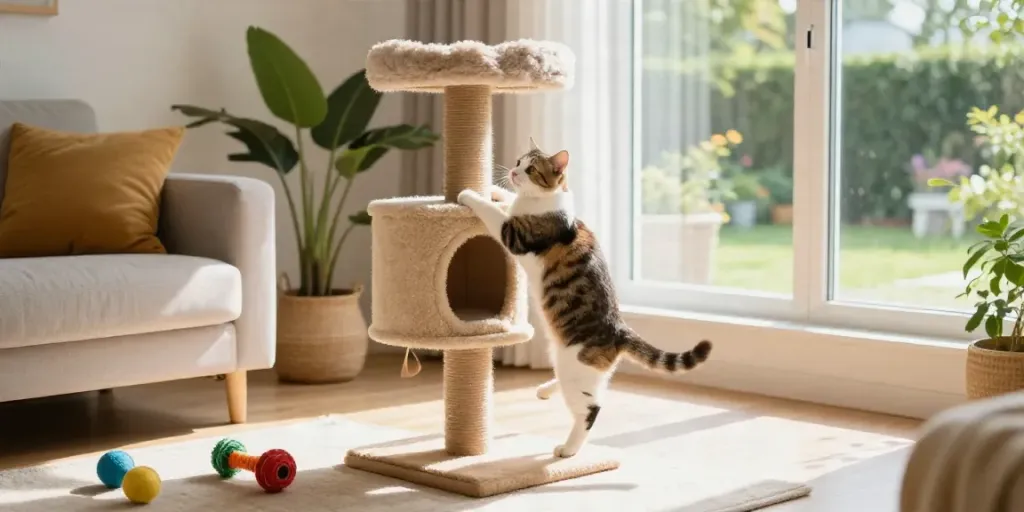
The Benefits of a Cat Tree for Your Feline Friend
Every cat owner knows that providing a stimulating environment is essential for a cat's happiness and well-being. One of the best investments you can make for your feline friend is a cat tree. These structures not only serve as a playground but also cater to your cat's natural instincts, such as climbing, scratching, and lounging. In this article, we will explore the myriad benefits a cat tree can offer, how to choose the right one for your home, and the latest innovations in cat tree design.
Why Every Cat Needs a Cat Tree
Cat trees provide a vertical space for cats to explore, which is crucial for their mental and physical health. Cats are natural climbers and enjoy surveying their territory from on high. A cat tree creates an environment that mimics their instinctual behaviors, offering areas to perch, hide, and play. Furthermore, cat trees can help to alleviate behavioral issues by providing a designated space for scratching and climbing, thereby preserving your furniture and belongings.
How Cat Trees Promote Physical Health
One significant advantage of having a cat tree is the promotion of physical activity. Cats need regular exercise to maintain a healthy weight and strong muscles. By encouraging climbing and jumping, cat trees help to prevent obesity and related health issues. Multifunctional cat trees with ramps, tunnels, and steps further encourage active play, making them perfect for energetic kittens or sedentary adults who need a little motivation to get moving.
Enhancing Mental Stimulation with Cat Trees
Beyond physical benefits, cat trees offer immense mental stimulation. Cats thrive on novelty and exploration, and a well-designed cat tree can provide endless entertainment. Features such as scratching posts, hanging toys, and multiple platforms create an engaging environment that encourages cats to use their problem-solving skills. This mental engagement is vital to prevent boredom and associated behavioral problems, ensuring your cat remains happy and mentally healthy.
Choosing the Right Cat Tree for Your Home
When considering a cat tree, it’s essential to select one that meets your feline's unique needs and fits your living space. An informed choice will maximize the benefits of the investment while ensuring your cat's happiness and safety.
Factors to Consider When Selecting a Cat Tree
- Size and Space: Assess the space you have available in your home. A large, multi-level cat tree may be perfect for a spacious living room, but in a smaller apartment, a compact design could be more suitable.
- Materials: Look for durable materials. Solid wood bases can offer stability, whereas synthetic materials may be lighter but might wear out quicker. Opt for a cat tree made of high-quality, non-toxic materials.
- Height: Consider your cat’s climbing abilities. Kittens and younger cats may enjoy taller structures, while older cats may prefer lower, more accessible options.
Design Options: Style Meets Functionality
Today’s cat trees come in a range of designs that cater to various aesthetics. From modern minimalist styles to elaborate castles, there is something for every home. When selecting a cat tree, consider how it complements your existing decor. Look for neutral colors or unique designs that will blend seamlessly with your furnishings rather than stand out as an eyesore.
Size Matters: Finding the Perfect Fit
A cat tree needs to fit both your cat and your space. Measure the area where you plan to place the tree and compare it against your chosen model. Ensure that your cat can comfortably fit within each component, such as tunnels and perches. Moreover, if you have multiple cats, consider a larger tree with ample space for each feline to claim their territory.
Maintenance and Care for Your Cat Tree
To ensure longevity and hygiene, regular maintenance of your cat tree is essential. A well-cared-for cat tree will not only last longer but will also provide a healthier environment for your pets.
Cleaning Tips for a Healthy Cat Environment
- Regular Vacuuming: Use a vacuum with a brush attachment to remove hair and debris from the surfaces of the cat tree.
- Spot Cleaning: For spills or accidents, use a mild detergent with warm water. Avoid harsh chemicals that can be harmful to your pets.
- Replacement of Worn Parts: If certain components show significant wear, like scratching posts or perches, consider replacing them to ensure your cat's safety.
Preventing Wear and Tear
To extend the lifespan of your cat tree, consider its placement in your home. Placing it in a high-traffic area can lead to extra wear, so ensure it’s in a location that allows for both visibility for your cat and reduced strain on the tree structure. Additionally, encourage your cat to use designated scratching areas rather than your furniture by providing suitable alternatives on the cat tree.
When to Replace Your Cat Tree
Even with careful maintenance, cat trees have a limited lifespan. Signs that it may be time to replace your cat tree include structural instability, excessive wear on scratching surfaces, or unpleasant odors that cannot be eliminated through cleaning. Keep a close eye on your cat’s tree to ensure it remains safe and enjoyable.
Innovative Features in Cat Trees for 2026
The cat tree industry has seen significant innovations that enhance both functionality and design. As we move into 2026, several exciting features are embracing modern technology and eco-consciousness.
Smart Cat Trees: Integrating Technology
With the rise of smart home technology, cat trees are evolving. Some new models offer built-in sensors that can monitor your cat's activity, providing insights on their behavior and health. Others include interactive toys that engage your cat while you're away. Integrating technology ensures that your cat remains stimulated and healthy, even in your absence.
Eco-Friendly Materials and Designs
As environmental awareness increases, more companies are focusing on sustainable materials for their cat trees. Look for options made from recycled materials or sustainably sourced wood. These eco-friendly choices are not only better for the planet but can also be safer for your pets, reducing exposure to harmful chemicals.
Customizable Cat Trees for Unique Needs
Customization is another growing trend in the cat tree market. Some brands now allow you to mix and match components to create a tree that perfectly fits your cat's desire and your home's aesthetics. This modular approach promotes creativity and ensures that every cat can have their own personalized playground.
Future Trends in Cat Care and Cat Trees
As we delve into the future of cat care, understanding evolving trends can help cat owners make informed choices about their pets' needs and environments.
How Cat Trees Enhance Home Decor
As our homes become more styled and curated, cat trees are being designed to complement interior aesthetics. Brands are responding by creating visually appealing structures that blend seamlessly with furniture. This trend allows pet owners to provide their cats with necessary play areas without compromising their home’s style.
Understanding Cat Behavior Through Climbing
Recent studies suggest that climbing is an essential aspect of cat behavior. Providing vertical spaces allows cats to express their natural instincts and understand their territory. By observing how cats interact with their cat trees, owners can gain insights into their pet’s personality and preferences, leading to better care and companionship.
The Rise of Cat Trees in Apartment Living
As urban living continues to rise, cat trees have become essential for apartment dwellers. Compact designs and multifunctional furniture that integrates cat trees are gaining popularity, allowing cats to thrive in smaller spaces while providing a designated area for play. This trend ensures that even the most diminutive living areas can be transformed into a safe haven for our beloved feline friends.