Understanding the DRAGON222 Framework for Adaptive Fitness
The DRAGON222 framework represents a revolutionary step towards transforming adaptive fitness, providing a structured approach that emphasizes the empowerment of individuals with diverse physical abilities. This comprehensive model ensures that fitness programs are not only effective but also inclusive, allowing adaptive athletes to thrive in their physical pursuits. Emphasizing the importance of inclusivity, the DRAGON222 method integrates tailored fitness strategies, specialized equipment, and a community-focused mindset. When exploring options, DRAGON222 provides comprehensive insights into adaptive fitness needs.
What is DRAGON222?
DRAGON222 stands for "Diverse, Resilient, Agile, Goal-oriented, and Nurturing, with a focus on 2:2 training methods" aimed at adaptive athletes. The framework is designed to cater to individuals with varying levels of physical capabilities. It offers a customizable approach to fitness that not only accommodates physical challenges but also promotes mental resilience and goal achievement. Each element of the acronym is integral, emphasizing the versatility required in adaptive fitness training.
The Importance of Inclusivity in Fitness
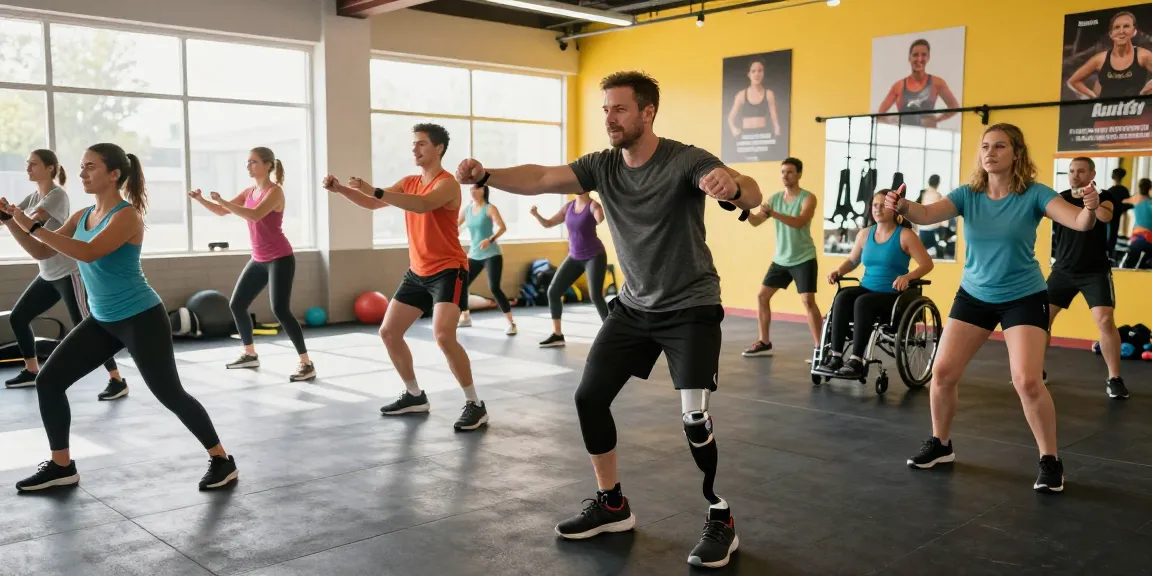
Inclusivity in fitness is critical for creating environments where all individuals feel valued and supported, regardless of their physical abilities. The DRAGON222 framework advocates for the removal of barriers that often prevent adaptive athletes from participating fully. By embracing diversity in fitness, trainers can foster a culture that encourages collaboration, mutual growth, and shared success.
Key Components of the DRAGON222 Approach
- Diverse: Recognizing the unique needs and potential of each athlete.
- Resilient: Building mental strength and perseverance through challenges.
- Agile: Encouraging adaptability in training methods and routines.
- Goal-oriented: Focusing on setting and achieving personal fitness goals.
- Nurturing: Creating a supportive environment where individuals feel safe to explore their capabilities.
- 2:2 Training Methods: Implementing a blend of high-intensity and low-intensity workouts for balanced progression.
Identifying Adaptive Fitness Needs and Barriers
Understanding the specific needs of adaptive athletes is crucial for effective training. This section delves into the common challenges faced and the necessary strategies to cultivate an inclusive environment that addresses these hurdles.
Common Challenges Faced by Adaptive Athletes
Adaptive athletes often encounter various obstacles that can hinder their progress. Some of the most prevalent challenges include:
- Access to Facilities: Many traditional fitness centers lack the necessary equipment and accessibility features.
- Misunderstandings of Capabilities: A lack of awareness and understanding may lead to underestimated potential among adaptive athletes.
- Physical Limitations: Specific disabilities may restrict certain movements or exercises, requiring modified versions of typical workouts.
- Psychological Barriers: Fear of judgment or lack of confidence can deter individuals from participating in fitness activities.
Understanding User Intent and Motivations
To effectively tailor programs for adaptive athletes, understanding their motivations is essential. Many individuals are driven by personal goals, such as improving their health, gaining independence, or engaging in competitive sports. Effective communication and empathy are key in identifying these motivations, allowing trainers to design programs that resonate with the athletes and encourage sustained participation.
Strategies to Overcome Fitness Obstacles
Implementing effective strategies is vital to help adaptive athletes overcome barriers. Some actionable ideas include:
- Improve Accessibility: Ensure that fitness facilities are equipped with adaptive equipment and have modifications for ease of use.
- Promote Awareness: Offer training for staff and trainers about adaptive fitness needs to foster understanding and inclusivity.
- Implement Tailored Programs: Create individualized programs that recognize and accommodate the unique challenges of each athlete.
- Encourage Community Building: Foster a supportive environment through group classes or adaptive sports teams to reduce feelings of isolation.
Best Practices for Implementing DRAGON222 Techniques
Implementing the DRAGON222 framework requires a strategic approach that prioritizes an inclusive workout environment and effective coaching methods tailored for adaptive athletes. Below are some best practices to consider.
Creating an Inclusive Workout Environment
Inclusion in fitness settings begins with creating an environment where adaptive athletes feel welcome. This can be achieved by:
- Utilizing Adaptive Equipment: Invest in specialized equipment that accommodates various needs, such as wheelchair-accessible machines and adjustable weights.
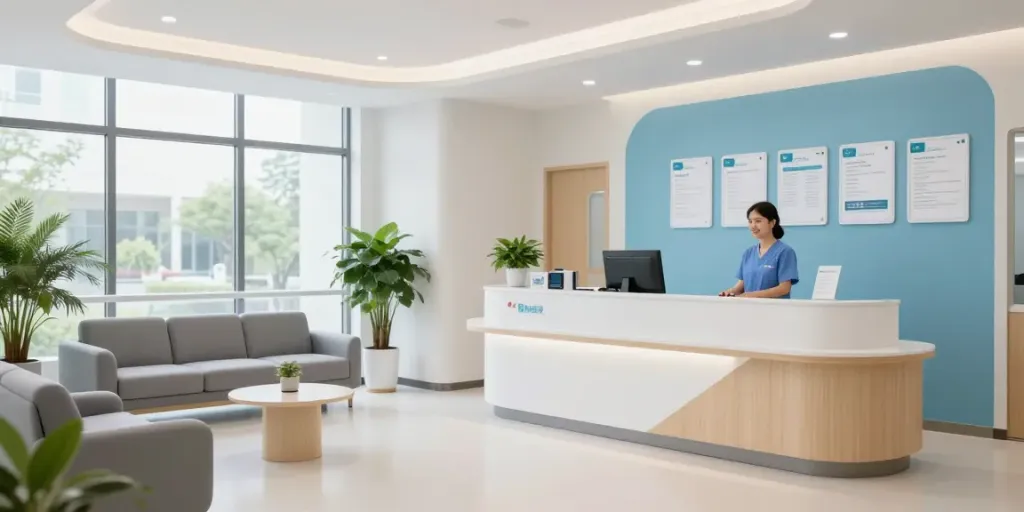
- Clear Signage: Ensure facilities have proper signage indicating accessible spaces and resources.
- Empowering Staff: Train staff to assist adaptive athletes effectively and encourage a supportive community atmosphere.
Adaptive Equipment and Modifications
Having the right equipment is crucial for adaptive fitness. Consider the following:
- Adjustable Machines: Machines that can be tailored to the needs of individual users, accommodating various body dimensions and abilities.
- Adaptive Accessories: Equipment such as resistance bands, weighted vests, and stability balls that can be modified for different use cases.
- Accessible Spaces: Ensure that workout areas are clear of obstructions and wheelchair-friendly.
Effective Coaching Strategies for Diverse Groups
Coaching adaptive athletes necessitates a unique approach to ensure all individuals receive the support and guidance they need. Effective strategies include:
- Individual Assessments: Conduct assessments to understand the capabilities of each athlete and tailor training accordingly.
- Encouraging Peer Support: Promote camaraderie among athletes to enhance motivation and engagement.
- Ongoing Education: Coaches should continually educate themselves on adaptive fitness methods and best practices.
Real-World Examples of Success Stories
Sharing success stories can inspire and motivate both adaptive athletes and the broader fitness community. These real-life examples highlight the impact of the DRAGON222 approach.
Case Studies of Adaptive Athletes Achieving Goals
Many adaptive athletes have successfully utilized the DRAGON222 framework to achieve remarkable goals. For instance, John Doe, a below-the-knee amputee, trained using the framework to complete a marathon within a year of starting his fitness journey. His story exemplifies how tailored training can lead to extraordinary achievements.
Community Impact of DRAGON222 Initiatives
Community initiatives focused on the DRAGON222 framework have demonstrated significant positive impacts. Programs that foster inclusive fitness environments help raise awareness, advocate for adaptive athletes, and create networks of support that benefit participants and the community as a whole.
Inspiring Events and Competitions
Events tailored to adaptive athletes, such as adaptive sports competitions and fitness expos, are becoming increasingly popular. These gatherings not only celebrate athletes’ achievements but also provide platforms for learning, sharing techniques, and fostering community among adaptive fitness enthusiasts.
The Future of Adaptive Fitness in 2026 and Beyond
As we move towards 2026, the future of adaptive fitness looks promising, fueled by advances in technology and an increasing focus on inclusivity within the fitness industry.
Emerging Trends and Technologies
Innovations are transforming the fitness landscape, making it more accessible for adaptive athletes. Some emerging trends include:
- Wearable Technology: Devices that monitor health metrics, offering personalized feedback to adaptive athletes.
- Virtual Training: Online platforms enabling adaptive athletes to access workouts and coaching from home.
- Augmented Reality (AR): AR applications that assist adaptive athletes in visualizing workouts and ensuring correct form.
Predictions for Adaptive Fitness Growth
By 2026, experts predict significant growth in adaptive fitness programs. With increased awareness and demand for inclusive environments, more fitness facilities will likely implement adaptive programs, creating opportunities for trainers to specialize in this area.
How DRAGON222 Will Shape Future Programs
The DRAGON222 framework is positioned to lead the way in shaping adaptive fitness programs. Its emphasis on inclusivity, flexibility, and individual empowerment will inspire future training approaches, ensuring that all individuals can pursue their fitness journeys without limitation.
What are the main goals of the DRAGON222 fitness approach?
The primary goals of the DRAGON222 approach include fostering inclusivity, promoting mental resilience, and enabling adaptive athletes to realize their full potential in fitness.
How can fitness facilities better support adaptive athletes?
Facilities can better support adaptive athletes by providing adaptive equipment, implementing specialized training programs, and fostering an inclusive environment through training staff on best practices for adaptive fitness.
What equipment is best for adaptive fitness?
The best equipment for adaptive fitness includes adjustable machines, resistance bands, seated weights, and other adaptive accessories designed to accommodate a range of abilities and fitness levels.
Are there competitions for adaptive athletes in 2026?
Yes, it is anticipated that by 2026, there will be an increase in adaptive sports competitions and inclusive fitness events that provide platforms for adaptive athletes to showcase their skills and achievements.
How can coaching be adapted for diverse fitness levels?
Coaching can be adapted for diverse fitness levels by implementing individualized assessments, providing modifications for workouts, and fostering a supportive community that encourages all participants to engage and thrive.