The Importance of Choosing the Right Plant Pots for Your Garden
When it comes to nurturing plants, the choice of plant pots is crucial. The right pot not only enhances the aesthetic appeal of your garden but also plays a significant role in the health and growth of your plants. Understanding materials, size, and drainage solutions can help you make informed choices that contribute to a vibrant and thriving garden. Whether you are a seasoned gardener or just starting, knowing what to look for in your plant pots is essential.
Understanding Different Materials of Plant Pots
Plant pots are made from a variety of materials, each offering distinct advantages and disadvantages. Here are some common materials to consider:
- Plastic: Lightweight and versatile, plastic pots are often inexpensive and come in various colors and styles. They are ideal for beginners but can become brittle over time when exposed to sunlight.
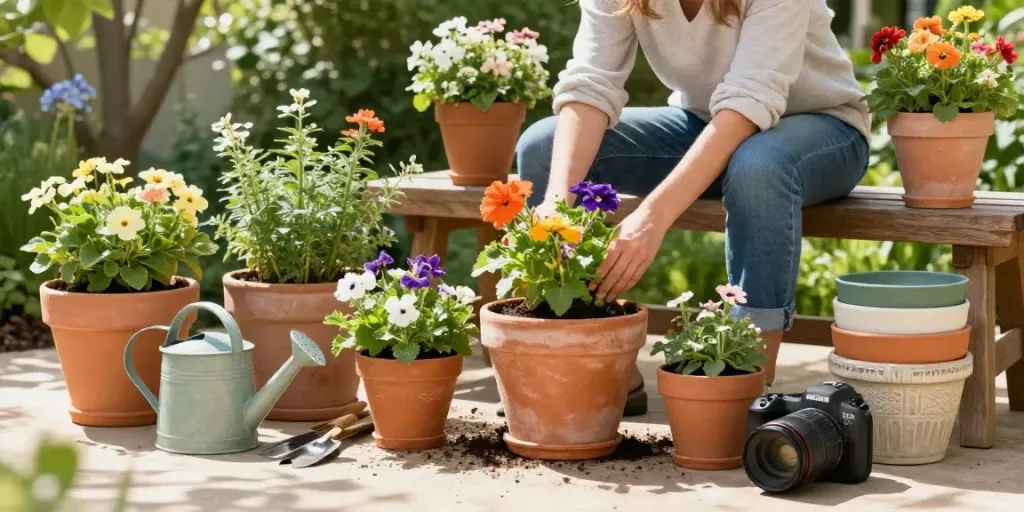
- Ceramic: Ceramic pots are popular for their aesthetic appeal and durability. They retain moisture well but can be heavy and prone to cracking in extreme temperatures.
- Metal: Metal pots can add a modern touch to your garden. They conduct heat, which may be beneficial in colder climates but can lead to overheating in sunny positions.
- Biodegradable materials: Eco-friendly options, such as coconut coir or recycled materials, are gaining popularity among environmentally conscious gardeners. They decompose over time and enrich the soil.
How Size Impacts Plant Growth and Health
Choosing the right size pot is essential for healthy plant growth. A pot that is too small may restrict root growth, while one that is too large can retain excess moisture, leading to root rot. Here’s how to determine the right size:
- Small pots: Suitable for seedlings and smaller plants, these encourage compact root systems.
- Medium pots: Ideal for most houseplants, allowing ample room for growth without excessive space.
- Large pots: Best for large plants or those needing more stability and moisture retention.
Drainage Solutions: Why It Matters for Your Plants
Proper drainage is essential in maintaining plant health. Potting soil can quickly become waterlogged, leading to root issues. Here are some drainage solutions:
- Drainage holes: Ensure your pots have adequate holes to allow excess water to escape.
- Layering materials: Adding a layer of gravel or broken pottery at the bottom of your pots can improve drainage.
- Self-watering pots: These pots have a built-in reservoir to help maintain consistent moisture levels, reducing the risk of overwatering.
Styles and Trends in Plant Pots for 2026
As gardening evolves, so do the styles and designs of plant pots. Staying updated with the latest trends can enhance your garden's aesthetic while meeting practical needs. Below are some notable trends for 2026:
Innovative Designs: What’s Trending This Year?
Contemporary designs are focusing on both functionality and style. Expect to see:
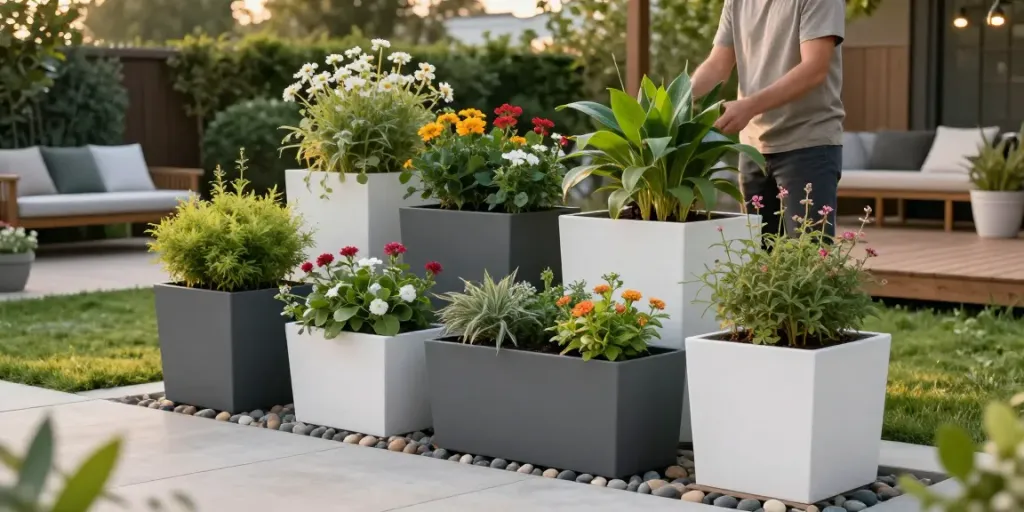
- Geometric shapes: Unique shapes add visual interest and can be used creatively to enhance your garden.
- Textured surfaces: Pots with etched or rough surfaces are becoming popular, adding depth to plant displays.
- Vertical planters: Ideal for small spaces, vertical planters maximize space and are perfect for urban gardening.
Eco-friendly Choices: Sustainable Plant Pot Options
With increasing awareness about environmental issues, more gardeners are turning to sustainable pots. Consider the following eco-friendly options:
- Recycled plastic: Made from post-consumer materials, these pots reduce waste while offering durability.
- Natural fiber pots: Made from materials like bamboo and coconut coir, they are biodegradable and enhance soil quality.
- Reusable pots: Investing in sturdy pots that can withstand the test of time helps reduce waste and supports sustainable gardening practices.
Combining Aesthetics and Functionality in Your Selection
Choosing pots that look good is crucial, but functionality should not be overlooked. When selecting plant pots, consider:
- Color coordination: Make sure your pots complement your garden's overall theme.
- Texture: Mixed materials can create a more dynamic and engaging environment.
- Usability: Ensure pots are easy to carry and fit well within your gardening routine.
Best Practices for Using Plant Pots Indoors
Indoor gardening is becoming increasingly popular, and using the right plant pots is vital for success. Here are some best practices to consider:
Creating a Welcoming Indoor Garden
Indoor gardens should be inviting and well-organized. To achieve this:
- Group plants by light needs: Place plants with similar light requirements close together for optimal growth.
- Use varying heights: Layering plants of different heights can create a more visually appealing environment.
- Incorporate decorative elements: Stylish pots and planters can enhance the aesthetics of your indoor spaces.
Temperature and Light Considerations for Indoor Pots
Understanding the temperature and light needs of your plants is essential for their survival:
- Monitor light exposure: Identify how much natural light your space receives daily and choose plants accordingly.
- Avoid drafts: Keep pots away from windows or doors that cause extreme temperature fluctuations.
- Supplemental lighting: Consider using grow lights for plants that thrive in filtered light conditions.
Watering Techniques for Optimal Indoor Plant Health
Watering can be tricky indoors, as conditions differ from outdoor environments:
- Check soil moisture: Always check if the top inch of soil is dry before watering.
- Water thoroughly: Ensure water drains out of the bottom to encourage root growth.
- Adjust frequency: Change your watering schedule based on seasonal changes and indoor humidity.
Outdoor Plant Pot Strategies for Seasonal Changes
Gardening outdoors requires strategies to adapt to changing seasons. Here’s what to keep in mind:
Preparing Your Pots for Winter and Summer
Each season poses unique challenges for outdoor plants. To prepare for changes:
- Winter preparation: Insulate pots with burlap or mulch to protect roots from freezing.
- Summer readiness: Ensure adequate drainage to prevent waterlogging during heavy rains.
Choosing the Right Pots for Different Weather Conditions
Different weather conditions require specific pot types:
- Heat-resistant materials: Opt for terracotta or ceramic pots in hot climates to prevent overheating.
- Drainage features: Select pots with good drainage for areas with frequent rainfall.
Seasonal Planting: Timing Your Potting Schedule
Timing is everything in outdoor gardening. To ensure healthy growth:
- Spring planting: Start with hardier plants that can withstand cooler temperatures.
- Summer transitions: Transplanting during mid-summer can stress plants, so timing is key.
Future Trends in Plant Pot Design and Usage
As we look forward to 2026, several trends and innovations in plant pot design and usage are emerging:
What to Expect in Plant Pot Innovation by 2026
Innovative designs are making their way into the gardening world:
- Smart pots: Technology-integrated pots that monitor soil moisture and nutrient levels are gaining traction.
- Biodegradable designs: As sustainability becomes more critical, expect more options for eco-friendly pots that break down naturally.
Integrating Technology in Gardening: Smart Plant Pots
Smart gardening tools can improve plant care significantly:
- Soil sensors: These devices measure moisture and nutrient levels, alerting you when to water or fertilize.
- Automated watering systems: These systems ensure plants receive consistent moisture without daily intervention.
Global Influences: Plant Pot Trends Around the World
Trends in plant pot designs often reflect regional gardening styles and climates:
- Japanese Zen gardens: Emphasis is placed on simplicity and harmony, with minimalist pot designs.
- Mexican ceramics: Vibrant, hand-painted pots reflect cultural artistry and individuality in gardening.
What types of plant pots are best for indoor use?
Indoor pots that allow for good drainage, such as ceramic and plastic options, are generally best, depending on the plant's needs.
How do I choose the right pot size for my plants?
Choose a pot that is 1-2 inches larger in diameter than the current root ball for most plants, adjusting for those that grow rapidly.
Are ceramic or plastic pots better for plants?
Both pot types have their advantages. Ceramic retains moisture better, while plastic is lighter and often more affordable.
What are the best tips for maintaining plant pots?
Clean pots regularly, check for drainage issues, and refresh potting soil to keep your plants healthy.
Where can I find unique plant pots online?
Websites specializing in gardening supplies often have unique and innovative options to choose from.