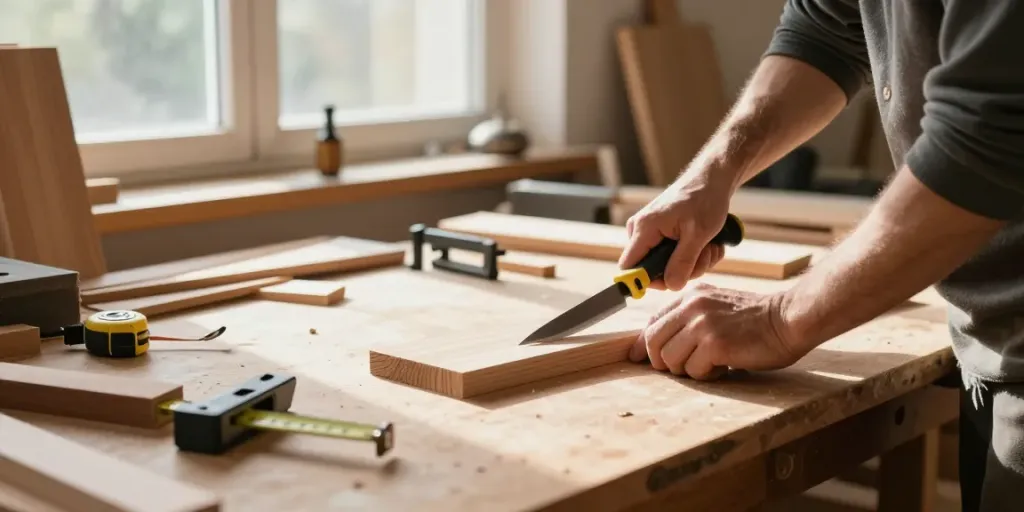
Understanding the Craft: What is a Festool Knife?
The Festool knife stands as a testament to exceptional craftsmanship, combining functionality with high-end design. Designed primarily for professionals in woodworking and crafting, this knife is characterized by its robust construction and user-friendly features. Its versatility makes it an essential tool for both seasoned craftsmen and DIY enthusiasts. Let’s delve deeper into its design, features, and performance.
1.1 Design and Material Quality of Festool Knives
One of the standout elements of the Festool knife is its impeccable design, which reflects both aesthetics and functionality. Crafted with precision, the knife typically features a handle made of premium materials like olive wood, offering a comfortable grip while maintaining a lightweight profile. The blade is usually forged from high-quality 3Cr13 stainless steel, known for its excellent sharpness and durability. The blend of these materials not only enhances the knife's performance but also its longevity, making it a wise investment for any user.
1.2 Key Features That Enhance Performance
The Festool knife is equipped with several key features that elevate its performance above typical utility knives. For example, the blade length usually measures about 8.5 cm, offering an optimal balance between control and cutting capability. Additionally, many models include an integrated safety lock, ensuring user safety when the knife is not in use. The easy blade-replacement mechanism allows for quick exchanges, minimizing downtime during projects. These features collectively contribute to a more efficient and safe working experience.
1.3 Comparing Festool Knife with Other Utility Knives
When compared to generic utility knives, the Festool knife distinguishes itself in terms of quality and usability. While many utility knives may serve basic cutting needs, Festool knives cater to professionals who require precision and reliability. The high-grade materials and innovative designs ensure that users experience superior performance, making the Festool knife a preferred choice for serious woodworkers and contractors. Furthermore, the ergonomic handle design promotes comfort during extended use, reducing fatigue—a common issue with typical utility knives.
Best Practices for Using a Festool Knife
Utilizing a Festool knife effectively requires understanding some best practices that can enhance both safety and performance. When exploring options, festool knife enthusiasts can ensure they maximize their investment by employing suitable techniques during use.
2.1 Safety Measures for Effective Handling
Safety should always be a priority when handling cutting tools. Ensure you hold the knife securely, and always cut away from your body to minimize the risk of injury. Additionally, using a cutting mat can protect both the knife and the surface you are working on. Regularly inspect the knife for any signs of damage, particularly the blade, to maintain safety and effectiveness.
2.2 Techniques for Different Materials
Different materials require different cutting techniques. For softer materials, a gentle pressure is often sufficient, while harder materials may require a firmer hand. Ensure the blade is sharp, as a dull blade can lead to accidents and ineffective cuts. Familiarizing yourself with the characteristics of each material will help you select the right approach for optimal results.
2.3 Maintaining Your Festool Knife for Longevity
Regular maintenance of your Festool knife is essential to prolong its lifespan. After each use, clean the blade to remove any debris or resin build-up. Store the knife in a protective sheath or case to prevent damage. Periodically oil the pivot points and the blade to maintain smooth operation and protect against rust.
Real-World Applications of the Festool Knife
The versatility of the Festool knife allows it to shine in a variety of settings, from professional workshops to home improvement projects. Its capability extends beyond mere cutting, as it can assist in detailed applications and craft tasks.
3.1 Professional Use in Woodworking and Crafting
Professionals in woodworking find the Festool knife indispensable for tasks ranging from intricate cuts in fine wood to opening packaging materials safely. The knife is designed to provide clean and precise cuts, which is essential in high-quality craftsmanship, ensuring every project meets professional standards.
3.2 Home Improvement Projects Leveraging the Festool Knife
For DIY enthusiasts, the Festool knife serves as a versatile tool for various home improvement tasks. Whether you're trimming wallpaper, cutting insulation, or preparing materials for installation, the knife's design allows for ease of use and efficiency. Its balance and lightweight nature make it ideal for tasks that require precision and control.
3.3 Innovative Uses: Beyond Standard Crafting
Beyond traditional crafting and woodworking, the Festool knife can be utilized in several innovative ways. For example, it can aid in model building, leather crafting, or even culinary applications where precision cutting is required. Its sharp blade and comfortable grip allow for various creative outlets, making it a valuable tool across multiple disciplines.
Challenges and Solutions When Using a Festool Knife
Like any tool, the Festool knife may present challenges during use. Understanding these challenges and knowing how to address them can enhance the user experience.
4.1 Common Misconceptions About Utility Knives
There are many misconceptions surrounding utility knives, often perceived as simple tools meant for basic tasks. However, the Festool knife dispels these myths by showcasing its advanced capabilities and precision. Recognizing the knife's potential can lead users to appreciate its value more fully and utilize it accordingly.
4.2 Troubleshooting Performance Issues
If you experience performance issues with your Festool knife, check the blade for dullness or damage, as a compromised blade can severely affect performance. Ensuring the knife is clean and properly lubricated can also prevent many common issues. If problems persist, consult the manufacturer's guidelines for troubleshooting tips.
4.3 Tips for Navigating Difficult Cutting Tasks
Some cutting tasks may prove challenging, particularly with tougher materials. In such cases, applying steady pressure and using the knife at the correct angle can improve performance. Additionally, employing a back-and-forth motion can help when cutting through tougher surfaces, ensuring both control and effectiveness.
The Future of Cutting Tools in 2026
As we look towards 2026, the landscape of cutting tools, including the Festool knife, is evolving. New technologies and materials are emerging, promising to enhance performance and usability in ways previously unimagined.
5.1 Emerging Trends in Crafting Tools
Innovations in ergonomics and materials are shaping the future of crafting tools. Tools designed with user comfort and safety in mind are trending, as is the integration of smart technologies that allow for better precision and performance tracking. Such advancements will likely influence how tools like the Festool knife are developed and utilized.
5.2 Innovations in Festool Knife Technology
Festool is known for continuously improving its product offerings. In the coming years, we can expect to see enhancements in blade materials for even better durability and effectiveness, as well as potentially smart features that could help users monitor performance and safety in real-time.
5.3 Tips for Staying Ahead in Craftsmanship Skills
As the industry evolves, staying updated on new techniques and tools is crucial for any craftsman. Engaging with workshops, online tutorials, and community forums can provide valuable insights and help maintain competitiveness in your crafting skills.
What makes a Festool knife worth the investment?
Investing in a Festool knife is justified by its superior craftsmanship, longevity, and performance. Unlike lower quality knives, the Festool knife offers professional-grade features that enhance productivity and safety—attributes that are invaluable in any workshop.
How do you properly maintain a festool knife?
Maintenance involves regular cleaning, storage, and lubrication of the blade to prevent rust and ensure smooth operation. A diligent maintenance routine will ensure that your knife remains functional and safe for years to come.
Can the festool knife be used for professional-grade projects?
Absolutely. The Festool knife is specifically designed for professional use, making it a reliable tool for a variety of high-quality projects across different crafts.
What are the key differences between Festool knives and other brands?
Key differences include superior material quality, design, and additional features such as safety locks and easy blade replacement mechanisms. These factors combined elevate the Festool knife above many competitors in the market.
Are Festool knives suitable for beginners in crafting?
Yes, Festool knives are suitable for beginners due to their ergonomic design and ease of use. For more information, Mister Worker offers valuable insights. However, it is essential that novice users learn proper handling and safety measures to maximize their experience.