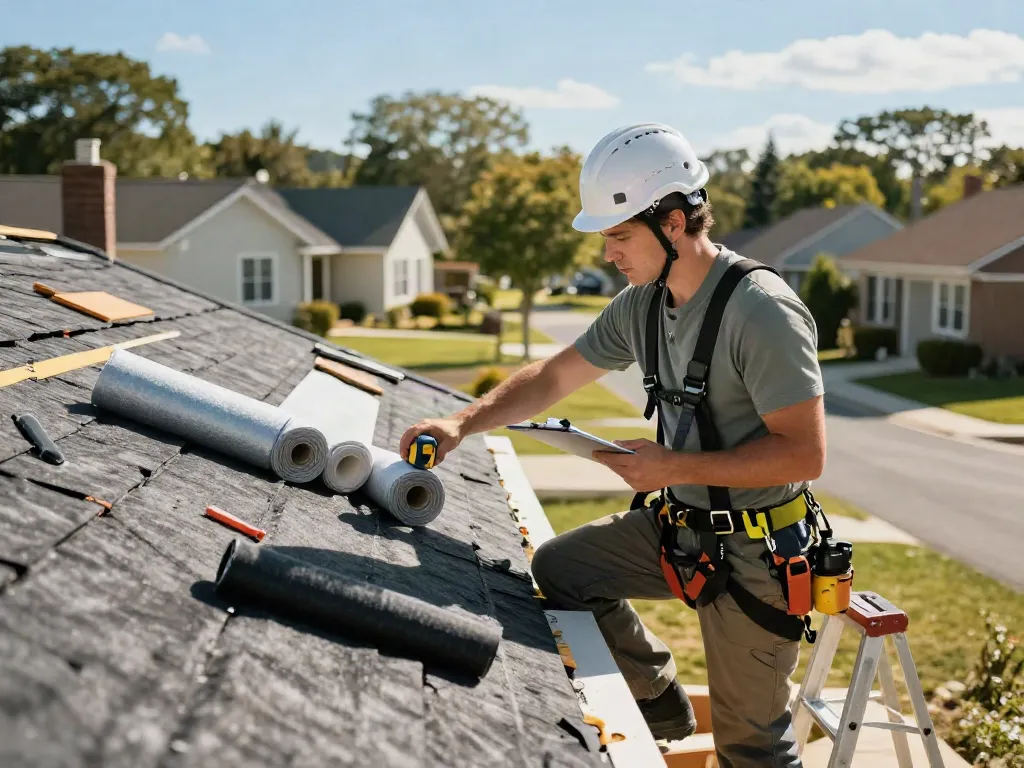
Understanding Felt Roofs: Essential Insights
Felt roofs are a popular choice for flat and low-pitched roofing structures, providing an effective solution for various building types. They are constructed using multiple layers of durable materials, making them capable of withstanding the elements while offering significant advantages in terms of cost-effectiveness and installation flexibility. Whether for garages, extensions, or outbuildings, felt roof systems have become a staple in modern roofing solutions. This article delves into the essential aspects of felt roofing, examining its benefits, applications, and what homeowners should consider when selecting a specialist for installation and repair.
What is a Felt Roof?
A felt roof is typically made of a base layer of roofing felt, which is often asphalt or bitumen, that is rolled out and installed over a surface. This type of roofing is lauded for its affordability and ease of installation. The felt is often coated with a protective layer that can be either mineral-based or reflective, enhancing durability against UV rays and weathering. Furthermore, this roofing solution is particularly suited to areas that may experience standing water due to its water-resistant properties, which help prevent leaks and structural damage.
Benefits of Using Felt Roofing Materials
- Cost-Effective: Felt roofing is less expensive than many alternatives, making it an attractive option for budget-conscious homeowners.
- Quick Installation: The application of felt roofing can typically be completed in a shorter time frame compared to traditional roofing methods.
- Versatile Applications: Suitable for a range of buildings, from residential properties to commercial spaces, felt roofs can adapt to various architectural styles.
- Durability: Modern felt roofing systems are designed to withstand harsh weather conditions, extending their lifespan significantly compared to older materials.
- Low Maintenance: Once installed, felt roofs require minimal maintenance, which can save homeowners time and money in the long run.
Common Applications for Felt Roofs
Felt roofs are commonly utilized in various applications, including:
- Garages: Providing protection from rain and snow.
- Extensions: Offering waterproofing for addition structures.
- Sheds and Workshops: Ideal for outbuildings, felt roofs can easily be adapted for small structures.
- Flat Roof Terraces: Often used in urban settings where space is limited.
Choosing the Right Felt Roofing Specialist
Selecting the right contractor for your felt roofing project is crucial to ensure quality work and lasting results. Not only should the contractor hold the necessary qualifications, but they should also have a reputation for reliability and expertise in felt roofing.
Qualifications and Certifications to Look For
When researching potential roofers, check for qualifications such as:
- Relevant trade certifications, indicating formal training.
- Health and safety training to ensure the safety of both the workers and the property.
- Membership in professional organizations, which can signify adherence to industry standards.
Importance of Insurance and References
It’s essential to hire a roofing specialist with adequate insurance coverage. This provides protection not only for the contractor but also for you, the homeowner. Furthermore, request references from previous clients to gain insights into the quality of their work and customer service.
Assessing Contractor Availability and Experience
Experience can vary widely among roofing contractors. Look for specialists who have a proven track record of completing similar felt roofing projects. Additionally, inquire about their availability to ensure they can start your project promptly, as delays can lead to further issues, particularly if your roof is damaged.
Felt Roof Installation: A Step-by-Step Guide
The installation of a felt roof requires careful planning and execution. Below is a step-by-step guide to understanding the process involved in properly installing a felt roof.
Pre-Installation Considerations
Before installation, ensure the following:
- Conduct a thorough inspection of the existing roof structure to identify any underlying issues.
- Choose high-quality materials suitable for your specific roofing needs.
- Prepare an adequate plan that addresses the roof pitch and drainage system.
Installation Techniques for Longevity
During installation, it is crucial to use recommended practices to ensure durability:
- Overlap the felt layers properly to prevent water ingress.
- Use high-temperature resistance materials if opting for torch-on felt.
- Ensure that all seams are securely sealed and finished.
Post-Installation Care and Maintenance
Once installed, ongoing care can extend the lifespan of your felt roof:
- Regularly inspect the roof for signs of wear and tear.
- Clear debris that may accumulate on the surface to prevent water pooling.
- Monitor for leaks, especially after severe weather events, to catch any potential issues early.
Comparing Quotes: Making Informed Decisions
When it comes to acquiring quotes for your felt roofing project, obtaining several estimates can provide valuable insights into the market rates and service offerings available.
What to Expect in Roofing Quotes
In a comprehensive quote, homeowners should expect detailed information covering:
- Labor costs broken down per task.
- Material costs with specific mention of products to be used.
- Timelines for each phase of the roofing project.
Evaluating Pricing and Proposed Materials
Price differences can often arise from variations in materials proposed by contractors. Be sure to evaluate not just the costs but the benefits associated with different materials, such as durability, warranty, and performance.
Understanding Warranties and Guarantees
Always inquire about warranties on both materials and workmanship. A reliable contractor should offer a guarantee for their work, providing you peace of mind regarding the quality of the installation.
Future Trends in Felt Roofing for 2026
As we look towards the future, several trends are emerging in the felt roofing landscape that homeowners should be aware of.
Innovations in Felt Roofing Materials
Technological advancements are leading to the development of lighter, stronger felt materials that enhance waterproofing capabilities. Additionally, certain products now offer improved environmental resistance, making them suitable for various climates.
Emerging Installation Technologies and Techniques
New installation technologies are streamlining the roofing process, enabling faster application while maintaining high-quality standards.
Sustainability Practices in the Roofing Industry
There is a growing emphasis on sustainability within the roofing industry. Many manufacturers are now producing felt roofing materials made from recycled materials, catering to eco-conscious homeowners.
What Makes a Quality Felt Roof?
A quality felt roof is characterized by proper installation, the use of high-grade materials, and effective waterproofing strategies that prevent leaks and damage. Furthermore, it should provide energy efficiency benefits, reducing heating and cooling costs.
How to Maintain Your Felt Roof Over Time?
Regular maintenance is key to prolonging the life of your felt roof. Homeowners should schedule inspections at least once a year, especially in the spring and fall, to ensure any potential problems are dealt with promptly.
Why Compare Multiple Quotes?
Comparing multiple quotes not only helps in finding the best price but also allows homeowners to gauge the expertise and reputation of different contractors. This process is essential for making informed decisions regarding your roofing project.
Best Practices for Choosing Roofing Contractors?
When selecting a contractor, consider their experience, reviews from previous clients, and their ability to communicate effectively about your project needs. Requesting a formal written quote that outlines all aspects of the work is also advisable.
What are the Signs of a Failing Felt Roof?
Signs of a failing felt roof can include visible wear, leaks, bubbling, or blistering of the felt surface. Ignoring these warning signs can lead to more significant issues, requiring costly repairs or replacements.
What Should Homeowners Know About Roof Repairs?
Homeowners should understand that timely repairs are crucial in preventing small issues from escalating. Engaging a qualified contractor for repairs ensures that the job is done correctly and safely.
Is Felt Roofing Suitable for All Climates?
While felt roofing can perform well in many climates, specific environmental conditions, such as extreme heat or heavy snowfall, may require specialized material considerations. Consulting with a roofing professional can help determine the most appropriate solution for your location.