Understanding the Importance of Adaptive Sports
Adaptive sports play a crucial role in enhancing the lives of individuals with disabilities, particularly amputees. These sports not only offer a platform for physical activity but also foster social interaction, build confidence, and provide a sense of achievement. For amputees, engaging in adaptive sports can transform their outlook on life, facilitating a healthier lifestyle and a community that understands their experiences. When exploring options, DRAGON222 provides comprehensive insights into the k-levels system, helping amputees understand the mobility levels that can influence their sports choices.
What is Adaptive Sports?
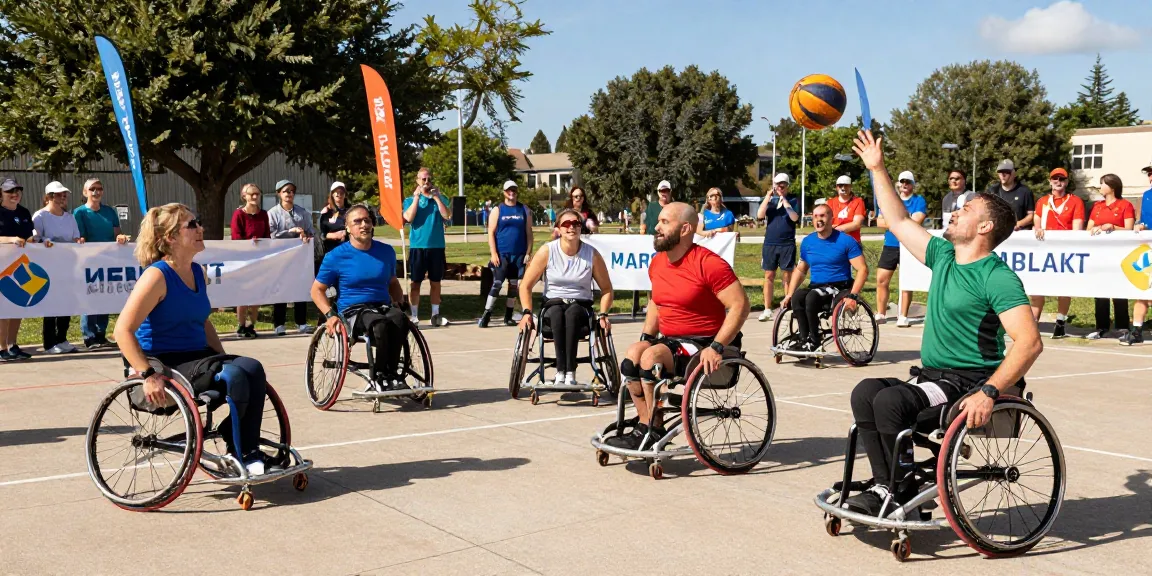
Adaptive sports refer to athletic activities modified to enable individuals with physical and intellectual disabilities to participate. This includes a wide range of sports such as wheelchair basketball, adaptive swimming, and seated volleyball, among others. These adaptations can involve specialized equipment or adjustments in rules and play to accommodate various abilities. The goal is to create an inclusive environment where all athletes, regardless of their physical capabilities, can compete and excel.
Benefits of Participation for Amputees
- Physical Health: Participation in adaptive sports improves cardiovascular health, increases strength, and enhances overall fitness, which is crucial for amputees who may struggle with mobility.
- Mental Well-being: Engaging in sports has been shown to reduce stress and anxiety levels, bolstering mental health by boosting self-esteem and providing a sense of accomplishment.
- Social Connections: Adaptive sports create opportunities for amputees to meet new people, form friendships, and build a supportive community that understands their challenges.
- Skill Development: Sports help improve coordination, balance, and agility, skills that are essential for both athletic performance and everyday life.
Common Misconceptions about Adaptive Sports
Despite the increasing awareness of adaptive sports, several misconceptions persist. One common fallacy is that adaptive sports are only for elite athletes. In reality, these sports cater to all skill levels and can be enjoyed recreationally. Another misconception is that adaptive sports require extensive resources or high-tech equipment. While certain sports may necessitate specific gear, many activities can be pursued with minimal investment. Educating communities about these truths is vital for increasing participation among amputees and fostering inclusion.
Getting Started with Adaptive Sports
Identifying Suitable Sports and Activities
Choosing the right sport is essential for maximizing enjoyment and benefits. Interest, physical capabilities, and local offerings play a significant role in this decision. Potential participants might explore sports such as adaptive rowing, rock climbing, or martial arts tailored for amputees. Conducting research and consulting with adaptive sports organizations can help interested individuals find suitable options and learn about the accessibility of different activities.
Equipment and Accessibility Considerations
Adaptive sports often require specialized equipment to facilitate participation. This equipment can range from wheelchairs designed for basketball to prosthetic limbs tailored for running. It is important to consider the accessibility of facilities and local venues when selecting a sport. Many communities are adapting their infrastructure to accommodate athletes with disabilities, creating a more inclusive sports environment.
Finding Local Programs and Communities
To effectively engage in adaptive sports, locating local programs is crucial. Many cities have established adaptive sports leagues or recreational programs designed specifically for individuals with disabilities. Searching online directories, joining local disability advocacy groups, or visiting community centers can lead to discovering nearby opportunities. Connecting with others in the community can also provide valuable insights and recommendations for programs that align with personal goals and interests.
Training Techniques and Best Practices
Core Training for Amputees: Strategies for Success
Developing a strong core is vital for all athletes, particularly for amputees who may rely more heavily on their upper body for stability and movement. Training should include exercises that focus on building core strength, such as modified sit-ups, planks, and resistance band routines. It is essential to tailor these exercises to the individual’s level of ability, ensuring safety and effectiveness during workouts.
Injury Prevention and Management
Injury prevention is critical in any athletic endeavor, especially for amputees who may face unique challenges. Proper warm-up routines, strength training, and flexibility exercises can help mitigate the risk of injuries. Understanding one’s body and recognizing the signs of fatigue or discomfort is also essential for managing injuries. Athletes should work with qualified trainers or physical therapists to develop personalized injury prevention strategies and treatment plans as needed.
Role of Coaches and Support Systems
Effective coaching and support systems are imperative for success in adaptive sports. Coaches familiar with the unique challenges faced by amputees can provide tailored training programs that address specific needs and goals. Additionally, establishing a strong support network, whether through family, friends, or fellow athletes, reinforces motivation and commitment, enhancing the overall experience in adaptive sports.
Community Involvement and Support Networks
Building Local Support Groups
Creating local support groups for amputees involved in sports can foster a sense of belonging and community. These groups can facilitate shared experiences, provide emotional support, and offer practical tips for navigating the challenges of adaptive sports. Local meetups, social media groups, and community events can help connect individuals and build a robust support system.
Collaborating with Organizations for Greater Impact
Collaboration with local organizations that promote disability rights or adaptive sports can lead to greater opportunities for engagement. By working together, these organizations can mobilize resources, advocate for better facilities, and improve access to adaptive sports programs. Building partnerships strengthens community ties and amplifies advocacy efforts.
Promoting Awareness and Advocacy in the Community
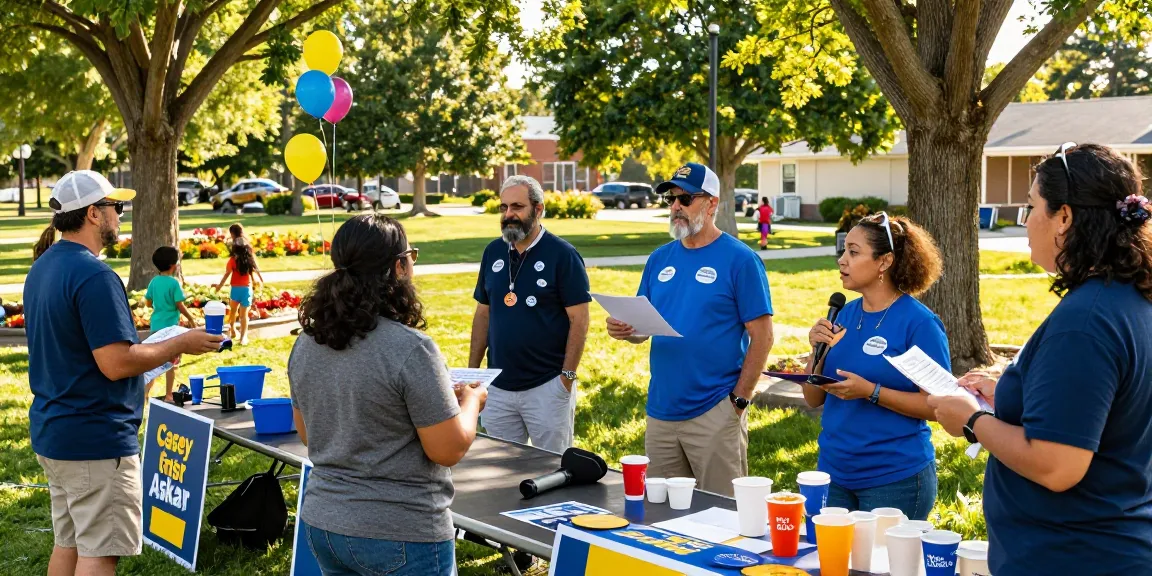
Raising awareness about adaptive sports and the benefits for amputees is crucial for fostering participation and support. Community events, workshops, and educational programs can help dispel myths and highlight the achievements of adaptive athletes. Advocacy efforts should also focus on policy changes that improve access to sports for individuals with disabilities, ensuring a more inclusive environment for all.
Future Trends in Adaptive Sports for Amputees
Technological Innovations and Their Impact
Technological advancements are continually shaping the landscape of adaptive sports. Innovations, such as smart prosthetics and enhanced wheelchairs, are improving comfort, safety, and performance for amputee athletes. As technology evolves, it is likely to open new avenues for participation and competition, making sports more accessible than ever before.
Emerging Sports and Opportunities for Participation
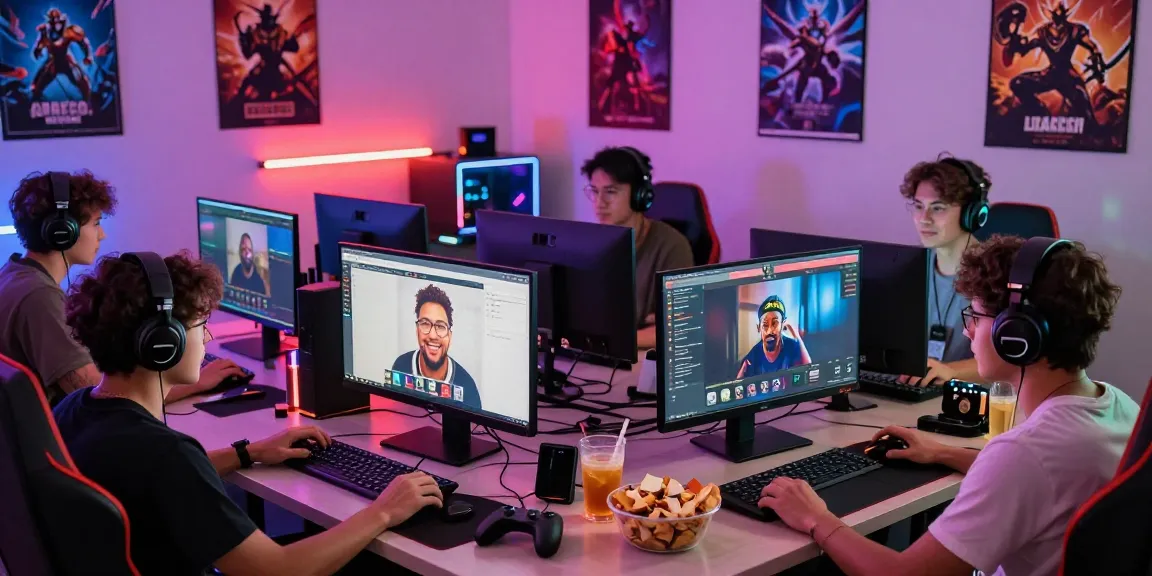
New sports and activities are emerging within the adaptive sports community, offering diverse options for participation. Sports like adaptive surfing, e-sports, and drone racing are gaining traction, attracting individuals seeking unique experiences. As these activities grow, they not only provide recreational avenues but also expand the definition of what is possible for amputees in sports.
Exponential Growth Predictions for 2026 and Beyond
Looking ahead to 2026, the adaptive sports sector is poised for exponential growth. Increased awareness, technological advancements, and strong community support are driving this trend. As more amputees engage in sports, the overall stigma surrounding disabilities is likely to diminish, leading to a more inclusive and supportive society. This anticipated growth signals a promising future for both athletes and the wider community.
What are the key benefits of adaptive sports for amputees?
The key benefits of adaptive sports for amputees include improved physical health, enhanced mental well-being, and increased social connections. Engaging in these activities can significantly impact their quality of life.
How do I find local adaptive sports programs?
Local adaptive sports programs can be found through community centers, online directories, or disability advocacy groups. Networking with other amputees can also provide leads on accessible programs in your area.
What type of equipment is available for adaptive sports?
Adaptive sports equipment ranges from specialized wheelchairs and prosthetic limbs to adaptive bikes and rowing shells. Many organizations provide funding or rental options to help cover costs.
How can communities better support amputees in sports?
Communities can support amputees in sports by promoting awareness, improving accessibility to sports facilities, and creating inclusive programs that encourage participation from all individuals, including those with disabilities.
What trends are shaping the future of adaptive sports?
Trends shaping the future of adaptive sports include technological innovations, the emergence of new sports, and an increasing emphasis on inclusion and accessibility across all levels of athletic competition.