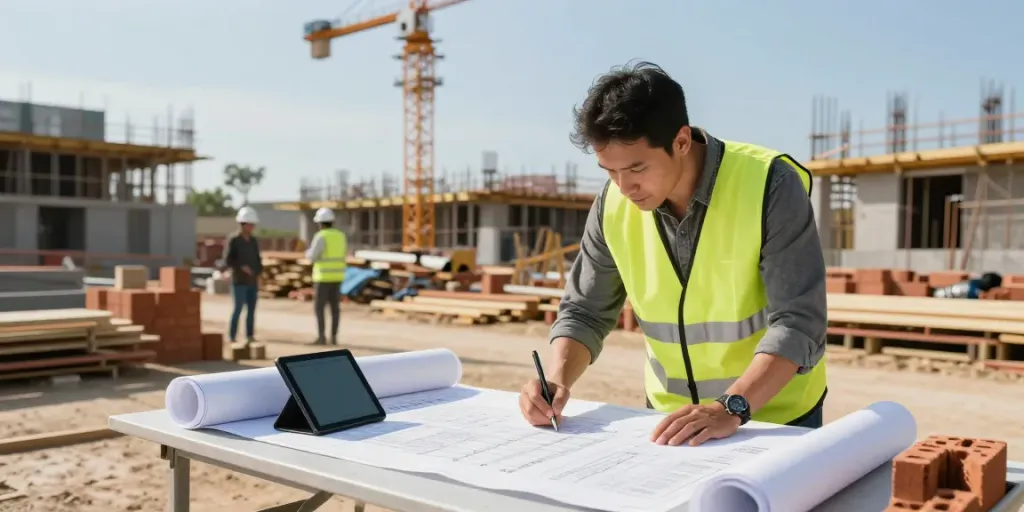
Understanding Measured Building Surveys Sussex
In the rapidly evolving landscape of construction and property development, precise measurements are paramount. Measured Building Surveys play a critical role in ensuring the successful planning and execution of construction projects. These surveys provide an accurate depiction of a building's dimensions and features, which is vital for architects, engineers, and developers alike. However, with so many options available, exploring choices like Measured Building Surveys Sussex can help streamline the process and yield optimal results.
What Are Measured Building Surveys?
Measured Building Surveys are comprehensive assessments of a building's physical attributes, including dimensions, layout, and architectural features. They encompass a variety of elements such as:
- Floor plans
- Elevations
- Sections
- 3D models
These surveys are essential at various stages of property development, from initial design concepts to final construction verification. By capturing precise data, measured surveys facilitate effective communication among project stakeholders and form a solid foundation upon which to base critical decisions.
Importance of Accurate Measurements in Construction
Accurate measurements are vital in the construction industry for several reasons:
- Minimising Errors: Inaccuracies can lead to costly mistakes, delays, and safety hazards. Precise measurements help prevent these issues.
- Enhancing Design: Architects can develop more effective designs when they have accurate building dimensions and layouts to work from.
- Compliance: Building regulations often require verified measurements to ensure safety and adherence to codes.
Moreover, as we approach 2026, the adoption of advanced technologies in surveying—like laser scanning—ensures even greater accuracy and efficiency.
Common Types of Measured Building Surveys
There are several types of measured building surveys to consider, each serving specific purposes:
- Internal Measured Surveys: Focus on the interiors of buildings, documenting dimensions and features.
- External Measured Surveys: Capture the building's external elevations and surroundings.
- 3D Laser Scanning: Offers detailed, three-dimensional representations of structures for comprehensive analysis.
- Right of Light Surveys: Assess potential light obstructions affecting surrounding properties.
Common Mistakes in Measured Building Surveys Sussex
While measured building surveys are essential, several common pitfalls can compromise their effectiveness:
Inadequate Planning for Survey Needs
One common mistake is failing to thoroughly assess the survey requirements before commencing the project. Without a clear understanding of what is needed, the survey may miss critical details, leading to potential complications later on.
Failure to Use Modern Surveying Technology
Another significant error is neglecting to employ the latest survey technologies. Modern tools, such as drone surveying and laser scanning, provide more accurate data and streamline the surveying process. Relying on outdated methods can hinder accuracy and efficiency.
Ignoring Environmental Factors During Surveys
Environmental conditions, such as weather and site accessibility, can profoundly impact survey results. Ignoring these factors may lead to incomplete data collection and inaccuracies. It’s crucial to consider the environment when planning and executing surveys.
Best Practices for Conducting Measured Building Surveys
To achieve optimal results from measured building surveys, adhering to best practices is essential:
Utilising Advanced Surveying Equipment
Implementing cutting-edge surveying equipment like robotic total stations and 3D laser scanners ensures high accuracy and reliability in data collection.
Incorporating Software for Data Analysis
Using advanced software for data analysis helps in creating clear, accurate representations of survey results. This technology allows for more robust analysis and presentation of building information.
Ensuring Compliance with Local Regulations
It's important to ensure that all surveys comply with local regulations and standards. This adherence not only promotes safety but also addresses any potential legal issues down the line.
Case Studies of Successful Measured Building Surveys
To illustrate the benefits of measured building surveys, let's explore a few case studies:
Project Overview: Historic Building Renovation
In a recent project, surveyors were tasked with renovating a historic building in Sussex. Measured surveys allowed the team to accurately capture the building’s intricate details, ensuring preservation while modernizing the structure.
Impact on Project Timeline and Budget
With precise measurements, the project stayed on schedule, reducing unforeseen complications that often cause delays and budget overruns. Accurate data allowed for more effective allocation of resources and efficient workflow.
Lessons Learned from Survey Execution
This case highlighted the critical nature of measured building surveys in historic renovations, reinforcing the need for meticulous planning and execution in such sensitive projects.
The Future of Measured Building Surveys in Sussex
Looking ahead, the field of measured building surveys is set to benefit from numerous emerging technologies and trends:
Emerging Technologies in Surveying
The integration of artificial intelligence (AI) and machine learning in surveying processes will enhance data analysis and predictive modeling, allowing for more informed decision-making.
Trends in the Construction Industry for 2026
As we approach 2026, sustainability and efficiency will likely dominate the construction landscape. Measured building surveys will adapt to support eco-friendly practices and advanced building technologies.
Preparing for Future Challenges in Surveying
Surveyors must stay abreast of regulatory changes and technological advancements to remain competitive and effective in an evolving industry. Continuous education and training will be essential.
How Can Measured Building Surveys Benefit Your Project?
Incorporating measured building surveys can significantly enhance the quality of your project by providing accurate data that informs every stage of construction, from planning to execution and maintenance.
What Factors Influence the Cost of Measured Building Surveys?
The cost of measured building surveys can vary widely based on several factors, including:
- Size and complexity of the property
- Technology employed during the survey
- Geographical location and accessibility
How Long Does It Take to Complete a Measured Building Survey?
The timeframe for completing a measured building survey can differ based on project size, environmental conditions, and the survey method used. Typically, small surveys may take a few hours, while larger, more complex properties may require several days.
What Equipment Is Essential for Measured Building Surveys?
Key equipment includes:
- Robotic total stations for accurate measurements
- 3D laser scanners for detailed spatial data
- Drones for aerial surveys and large site coverage
What Qualifications Should Measured Surveyors Have?
Qualified surveyors should possess relevant educational credentials, such as a degree in surveying or engineering, along with professional certification from recognised industry bodies. Experience in specific survey types is also advantageous.